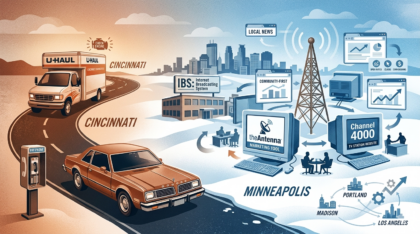
How a Rickety U-Haul Kickstarted My Digital Career A move from Cincinnati to Minneapolis was unexpected, and it supercharged my passion for digital. Continue reading “How a Rickety U-Haul Kickstarted My Digital Career”…
Before the Algorithm: Why TV Stations Were Sitting on a Digital Gold Mine Somewhere between a career’s worth of wins, losses, pivots, and lessons, there’s been one constant: writing. I’ve filled nearly fifty… Continue reading “Before the Algorithm: Why TV Stations Were Sitting on a Digital Gold Mine”…
Product Management and Sports Broadcasting: Connecting two distant worlds If I pause and reflect on the experiences that have shaped where I am today, it can be very inspiring.… Continue reading “Product Management and Sports Broadcasting: Connecting two distant worlds”…
It’s Time to Stop Blaming Low Performance on Digital Fatigue Digital fatigue. Digital apathy. The Digital blahs. I’ve read countless prognosticators blaming this mystery ailment for their digital training or… Continue reading “It’s Time to Stop Blaming Low Performance on Digital Fatigue”…
Grand Hyatt Vail: Paradise by Gore Creek Our selection of the Grand Hyatt Vail was selected after carefully reviewing many options. The feedback on review sites for… Continue reading “Grand Hyatt Vail: Paradise by Gore Creek”…
Writing a Story Only You Can Tell Of all the professional challenges I’ve faced, the most difficult one may have been writing a book. I’ve been writing… Continue reading “Writing a Story Only You Can Tell”…
Cybersecurity Summit: Educating Cities on Systems, Processes, and People Working at the Lower Colorado River Authority (LCRA) in Austin, Texas was an incredible experience. The quasi-governmental organization quietly rolls… Continue reading “Cybersecurity Summit: Educating Cities on Systems, Processes, and People”…
Agilepalooza: Joining with a Technical Market to Unlock Value Events are expensive. Events are time-consuming. Events are oftentimes a logistical nightmare. Despite these barriers and a bevy of virtual… Continue reading “Agilepalooza: Joining with a Technical Market to Unlock Value”…
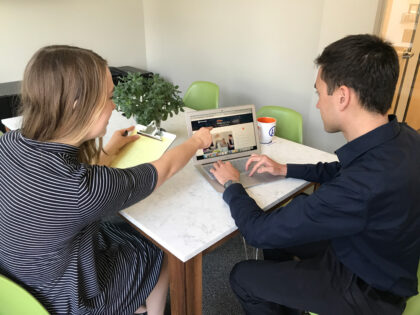
Usability Testing: Four Hours Well-spent When you are working with an online product, it’s easy to fall into the trap of thinking you have all… Continue reading “Usability Testing: Four Hours Well-spent”…
The Answer is ALWAYS Outside the Building “My opinion is informed.” “I’ve ‘been there, done that’.” “I know exactly what the market needs.” “Just listen to me… Continue reading “The Answer is ALWAYS Outside the Building”…
Shark Tank: An Insightful Lesson on Business Shark Tank is an amazing and instructive program. While practicing social distancing, we’ve binge watched the program to see what… Continue reading “Shark Tank: An Insightful Lesson on Business”…
An Unlikely Match: A Root Canal and Superb Customer Service Root canal. The two words bring a shudder down your spine. It’s a procedure that brings to mind pain, discomfort,… Continue reading “An Unlikely Match: A Root Canal and Superb Customer Service”…
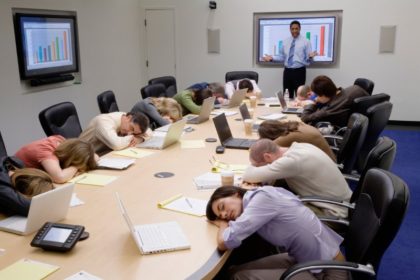
Seven Ways to Reenergize a Disengaged Team Do you work with a disengaged, detached team? I hope not. If so, don’t just sit there and sulk; do… Continue reading “Seven Ways to Reenergize a Disengaged Team”…
9 Things Never to Say or Do in your Next Presentation “I am going to just run through the rest of these slides quickly because we are running out of time.”… Continue reading “9 Things Never to Say or Do in your Next Presentation”…
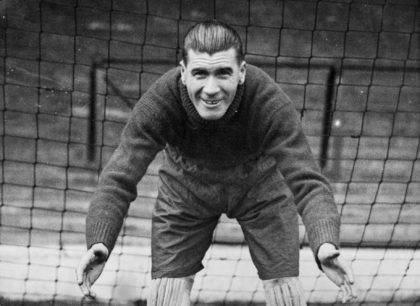
The Ball Is Yours. Don’t Drop It. The ball needs to be in your hands. Don’t fumble it. Don’t drop or juggle it. Secure the ball in… Continue reading “The Ball Is Yours. Don’t Drop It.”…
The Fight is on for your Attention The best and brightest, now, and in the future, will have focus, an ability to tune out all distractions, own… Continue reading “The Fight is on for your Attention”…
The Image of Apple I am continually amazed at the tone and tenor of Apple’s advertising. It seems nearly every sporting event I watched… Continue reading “The Image of Apple”…
Tip: Start Planning the Rest of 2019 2019 is moving fast and many of us still have a list of TODOs longer than a coast to coast… Continue reading “Tip: Start Planning the Rest of 2019”…
The Goalkeeper’s Jobs to be Done As a marketer, unless you’ve been living under a rock for the past few years, you’ve have probably been introduced… Continue reading “The Goalkeeper’s Jobs to be Done”…
The Dangerous Allure of the Data Dump Think back to your last presentation at work. Was it a dump of data? If so, your audience probably left… Continue reading “The Dangerous Allure of the Data Dump”…